
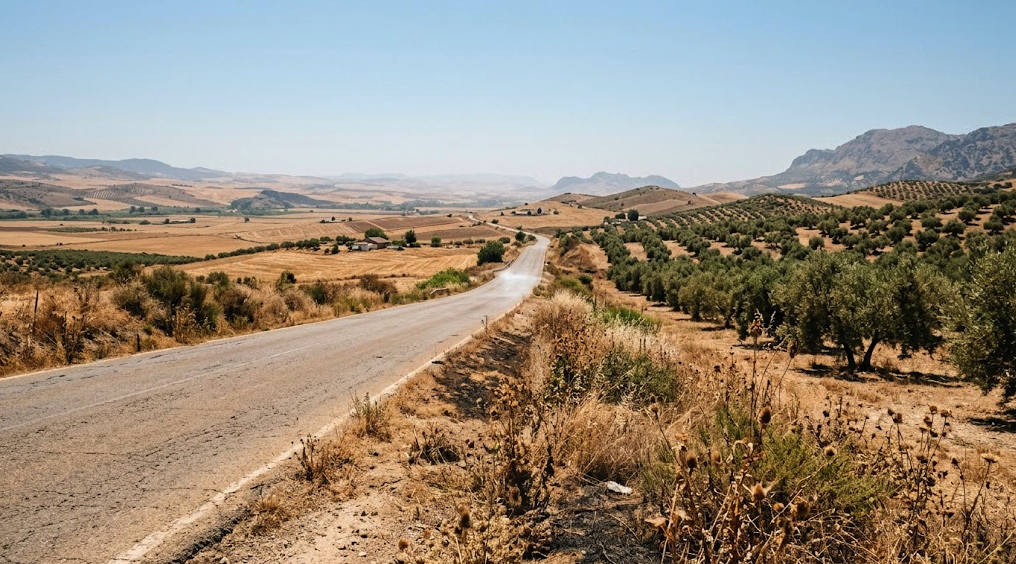

SEVILLE – HIGRH NEWS: Extreme heat in Andalusia is set to bring temperatures close to 40C across parts of southern Spain, with orange weather warnings in several areas as the country continues to experience an exceptionally hot start to September. But how severe is the latest heat episode and how long will it last?

Extreme heat in Andalusia brings 40C temperatures
Temperatures are expected to climb sharply across Andalusia, with some inland areas forecast to reach around 40C during the latest spell of unusually hot weather.
Spain’s state weather agency, AEMET, has issued high-temperature warnings covering parts of the region. The strongest warnings affect areas including the Guadalquivir Valley and parts of the provinces of Seville, Cordoba and Jaen.

The situation is not limited to Andalusia. Much of Spain is also facing elevated temperatures, with forecasts reaching 36C in parts of the eastern coast, including Valencia and Alicante.
Central areas are expected to see highs of between 36C and 38C in Madrid and Toledo, while Lleida in Catalonia could reach 37C.
The latest episode follows an unusually hot beginning to September, during which temperatures have risen far above normal in several parts of the country.
For Andalusia, the combination of high daytime temperatures and very warm conditions in some areas has placed the region firmly at the centre of the latest weather alert.
The greatest heat is expected inland, where the influence of the sea is weaker and temperatures can rise considerably during the afternoon.
AEMET’s official warning system provides continuously updated information on the affected areas and the expected duration of the alerts.
Inland Andalusia faces the highest temperatures
The Guadalquivir Valley remains one of the areas most exposed to the intense heat.
Seville, Cordoba and Jaen are among the provinces where temperatures are expected to reach their highest levels. The warning situation varies by location, meaning conditions can differ significantly between inland and coastal areas.
The latest forecasts also show that the heat is affecting a large part of Spain rather than being confined to the south.
In eastern Spain, Valencia and Alicante are expected to record temperatures of up to 36C. Madrid and Toledo could reach between 36C and 38C, while Lleida is forecast to approach 37C.
These figures underline the geographical extent of the current warm spell.
For residents and visitors in Andalusia, however, the combination of intense sunshine and temperatures close to 40C makes the inland provinces the main focus of the warnings.
September records underline the intensity of the heat
The latest warnings come after a record-breaking start to September.
According to the report published by The Olive Press, dozens of September temperature records have been broken across Spain during the recent spell of unusually hot weather.
One of the most significant records involved El Granado in Huelva, where temperatures reached 45.7C earlier in the month, matching the national September record previously recorded in Montoro, Cordoba.
The record came during a period when temperatures were already running exceptionally high across southern Spain.
The sequence of records has added to the significance of the latest warning, which arrives only days after some stations recorded their highest September temperatures.
The figures also demonstrate how quickly conditions can change during an intense heat episode.
AEMET’s observation network provides the official temperature measurements used to monitor these events. Its latest data pages include observations from weather stations across Andalusia and the rest of Spain.
The agency notes that some observational data remain provisional and may change after later validation.
High temperatures extend beyond the afternoon
The heat is not only a daytime issue.
Warm nights can also become an important feature of an extended hot spell because temperatures remain elevated after sunset instead of falling rapidly.
That can make it harder for buildings and outdoor environments to cool down before the following day’s temperatures begin rising again.
The current situation therefore involves both exceptionally high daytime readings and generally warm conditions across large parts of southern Spain.
AEMET continues to publish updated observations, forecasts and warnings as the situation develops.
Extreme heat in Andalusia comes after an exceptional start to September
The latest episode is part of a broader period of unusually high temperatures across Spain.
The Olive Press reported that the beginning of September had already produced numerous records, with temperatures significantly above the values normally expected at this time of year.
The recurrence of very high temperatures has kept southern Spain under close meteorological observation.
Andalusia is particularly exposed because its inland valleys and plains can experience extreme summer temperatures. During intense heat episodes, locations away from the coast can record substantially higher values than nearby maritime areas.
The current forecast again reflects that difference.
While inland parts of Andalusia approach 40C, some coastal locations are expected to experience lower maximum temperatures.
The contrast can be particularly noticeable across relatively short distances.
AEMET’s forecast and observation services allow users to check conditions for individual municipalities and warning zones rather than relying only on regional averages.
That distinction matters during periods of extreme heat because the highest temperatures are often concentrated in particular inland areas.
Weather warnings remain the key reference
AEMET’s warning system divides weather risks into different levels according to the expected severity of the phenomenon.
The agency’s official warning page provides information on the phenomenon involved, the expected value, the warning level, the probability and the affected area, together with the start and end times of the warning.
Residents and visitors can therefore consult the latest information for their specific area.
The warnings can also change as new forecasts and observations become available.
For that reason, the current warning status should be checked directly through AEMET rather than relying on an earlier forecast.
Spain faces a wider spell of high temperatures
The heat affecting Andalusia forms part of a much wider national weather pattern.
According to the latest report, twelve autonomous communities have weather warnings related to high temperatures. Andalusia, Catalonia and the Canary Islands have areas under orange warnings, while other regions have yellow warnings.
The eastern Mediterranean coast is also experiencing high temperatures.
Valencia and Alicante are expected to reach around 36C, while temperatures in central Spain are forecast to climb as high as 38C in some locations.
Lleida could also reach 37C.
These conditions mean that the latest heat episode extends well beyond southern Spain.
However, Andalusia remains one of the areas where temperatures are expected to reach the highest levels.
The Guadalquivir Valley is particularly notable because of the very high temperatures that can occur there during periods of intense heat.
The current warnings therefore provide an important indication of where the greatest heat-related weather risk is expected.
What happens next?
The duration of the current episode will depend on how temperatures evolve over the coming days.
The Olive Press reports that the warnings are expected to ease in parts of Andalusia after the peak of the current episode, with conditions forecast to become less extreme as the week progresses.
That would provide some relief after several days of exceptionally high temperatures.
However, the recent records mean that the latest episode is being watched closely.
The 45.7C reading recorded at El Granado, the September records reported across numerous weather stations and the new warnings for temperatures approaching 40C all form part of the same sequence of unusually hot weather.
AEMET’s observation and warning services remain the official reference for tracking the situation.
AEMET official weather warnings and observations
For people in affected areas, the most important information remains the warning level and forecast for their specific location, since temperatures can vary considerably between coastal and inland areas.
The immediate focus is now on the latest peak in temperatures across Andalusia and on whether the expected easing arrives as forecast.
The region has already experienced some of the highest temperatures recorded during September, and the latest warnings show that the heat remains intense.
Frequently Asked Questions
How hot will Andalusia become?
Some inland areas are forecast to approach 40C during the latest heat episode.
Which areas are most affected?
Parts of Seville, Cordoba and Jaen, particularly inland areas and the Guadalquivir Valley, are among those facing the highest temperatures.
Has Andalusia already recorded September temperature records?
Yes. El Granado in Huelva reached 45.7C earlier in the month, matching the national September record reported by The Olive Press.
Will temperatures fall after the current heat episode?
Forecasts indicate that the most intense conditions should ease as the week progresses…….MORE