
rising property prices and pressure on tenants. Spain will hold an early general election on November 29, after the government failed to secure parliamentary support for its initial emergency housing measures.
The housing crisis is expected to become one of the central issues in the contest, putting Sánchez’s left-wing coalition under pressure as it seeks to defend its record in office. Opposition leader Alberto Núñez Feijóo, meanwhile, is presenting the election as an opportunity for a change of government.

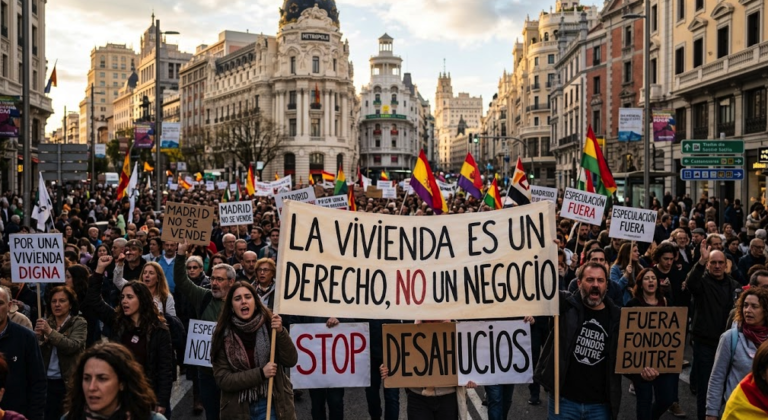
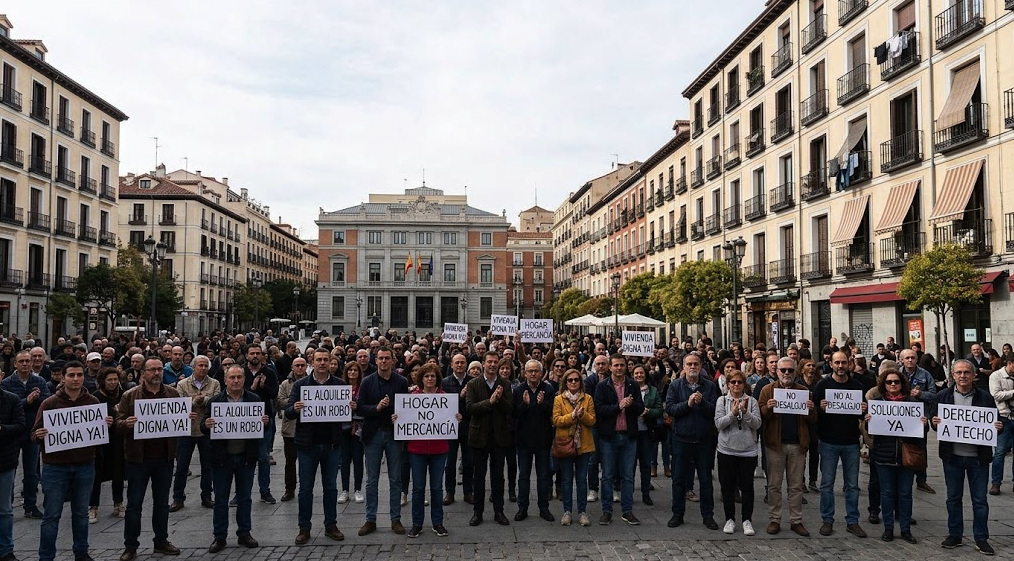
The vote comes after weeks of demonstrations over access to affordable homes and growing concerns about the impact of rents on household budgets. For many Spaniards, particularly younger people and lower-income families, finding a suitable home has become an increasingly difficult financial challenge.
Spain’s November election puts housing at the centre of the debate
Sánchez chose Dos Hermanas, near Seville, to launch his latest electoral push. The municipality is a traditional Socialist stronghold and has played an important role in his political career.

The prime minister is seeking to persuade voters that his government can address the country’s social and economic challenges. Housing has become a particularly sensitive issue, however, as public frustration continues despite years of political debate over affordability and tenant protection.
Spain’s early election is scheduled for November 29, following the dissolution of parliament under a decree published in the Official State Gazette on October 6. The formal election campaign will run from November 13 to November 27.
This distinction matters: political rallies and campaigning activity are already taking place, but the legally established campaign period has not yet begun.
Housing protests increase pressure on Sánchez
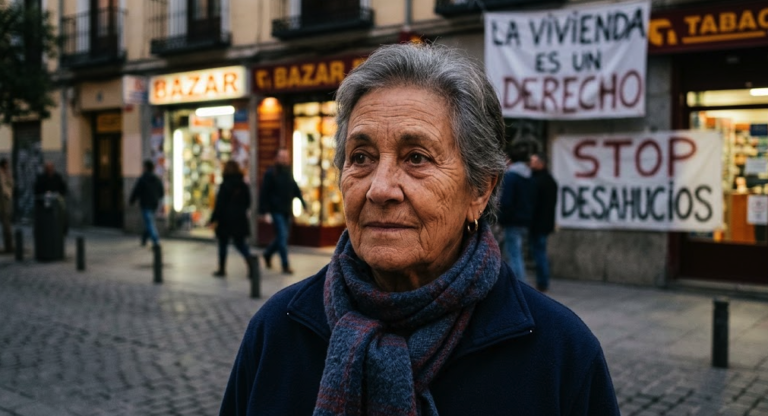
Public anger over housing has intensified following the eviction of Maricarmen Abascal, an 87-year-old Madrid pensioner whose case became a symbol of the difficulties faced by vulnerable tenants.
Abascal was evicted from her home in September and died in hospital on October 7. Her case helped galvanise demonstrations calling for stronger tenant protections and more affordable housing.
Protesters have demanded action on rent increases, evictions and the growing difficulty of finding accommodation in major Spanish cities. Demonstrations and encampments have drawn attention to the gap between housing costs and the incomes of many residents.
The controversy has also increased pressure on Sánchez’s government to demonstrate that its housing policies can deliver practical results.
Trade unions UGT and CCOO have announced plans for a nationwide general strike on November 11 over housing and wages. The action is intended to increase pressure on political leaders in the weeks before the election, although the unions said the planned stoppage still required ratification by other organisations.
Government proposes 21 housing measures
On October 6, the Spanish government announced a package of 21 housing measures through two Royal Decree-laws. The proposals seek to improve access to affordable rentals and home ownership, expand housing supply and provide greater stability for tenants.
According to the government’s published announcement, the package includes several financial and regulatory initiatives.
Key proposals include:
- Interest-free loans for first-time buyers: A proposed €10 billion financing scheme would provide loans of up to €50,000 to help people overcome the initial financial barrier to buying a home.
- Tax incentives for affordable rentals: The government has proposed tax deductions for tenants and incentives for small landlords who offer properties at affordable rates.
- Support for construction: The package includes €280 million in guarantees to promote industrialised housing construction.
- Funding for social housing: A further €400 million is earmarked to support social housing providers.
- Greater tenancy stability: One of the proposed measures would allow eligible tenants who are up to date with their rent to extend their contracts by up to two years, alongside restrictions on rent increases.
- Regulation of seasonal and room rentals: The government has also proposed changes intended to address practices it considers to contribute to housing market pressures.
The legal status of these initiatives is important. The measures were approved by the Council of Ministers, but the government’s announcement explained that parliamentary ratification was still required. They should therefore not all be described as fully implemented or universally available.
For tenants and prospective buyers, the practical impact will depend on the final legal arrangements, eligibility requirements and implementation of the individual measures.
What do rising house prices mean for Spanish households?
Housing affordability involves more than the headline price of a property. Buyers must also consider mortgage deposits, borrowing costs and other purchase expenses, while renters face recurring monthly payments that compete with food, transport, energy and other essential costs.
When housing costs rise faster than household incomes, people may be forced to postpone moving out of the family home, accept longer commutes or spend a larger share of their earnings on accommodation.
The effects are particularly significant for younger adults who are trying to become financially independent. Families with limited savings can also find it difficult to move to larger homes or relocate for employment.
Spain’s housing debate therefore involves two connected challenges: helping households facing immediate financial pressure and ensuring that enough suitable homes become available over the longer term.
Tenant protections and financial assistance may offer relief to some households, but their effectiveness will depend on how they are designed and implemented. Expanding the supply of affordable homes is another major consideration, particularly in areas where demand is concentrated.
Feijóo challenges Sánchez as election competition intensifies
People’s Party leader Alberto Núñez Feijóo is seeking to turn public dissatisfaction into electoral support. He has criticised the government’s handling of housing and argued that Spain needs a change of political direction.
The opposition has also highlighted other contentious issues, including migration pressures in Ceuta and allegations involving figures close to the governing Socialist Party.
Sánchez, who has been prime minister since 2018, is attempting to defend his government’s social policies and present housing reform as a central part of its agenda.
The two sides offer competing approaches to the country’s challenges, but voters will ultimately have to assess the details of their proposals, their costs and whether they are likely to produce measurable improvements.
The election outcome remains uncertain. Opinion polls and campaign events can indicate political trends, but neither guarantees the final distribution of parliamentary seats.
Why the housing crisis could shape the election
Housing has become a test of whether political promises can address a problem affecting everyday life. For many voters, the question is not simply which party offers the most ambitious plan, but which measures can realistically improve access to a home.
The November election will also take place against a wider backdrop of economic concerns, migration debates and questions about the government’s parliamentary record.
For Sánchez, the challenge is to demonstrate that his proposals can move beyond announcements and provide tangible assistance. For Feijóo, the task is to explain how an alternative government would tackle affordability, increase supply and protect households under financial pressure.
The debate is likely to remain intense as the formal campaign approaches. What matters most to voters may be whether the parties can provide clear answers on housing costs, the availability of homes and the time required for their policies to make a difference.
HIGRH NEWS analysis: Promises must translate into affordable homes
Spain’s housing crisis is both a social challenge and a major political test. The eviction that helped trigger recent demonstrations has brought renewed attention to the consequences of unaffordable housing, while the failure of the government’s initial measures to pass parliament has exposed the difficulties of turning proposals into policy.
In our assessment, the most useful way to evaluate the parties’ commitments is to look beyond campaign announcements. Voters should be able to compare the number of affordable homes expected, the funding behind each proposal, the eligibility rules for assistance and the timetable for implementation.
Immediate protections for tenants and long-term investment in housing supply address different aspects of the problem. Both deserve scrutiny, and neither should be judged solely on the strength of its political messaging.
As Spain approaches the November 29 election, the key question is whether the competing plans can deliver realistic, measurable improvements for people struggling to rent or buy a home.
Official sources
- Government of Spain — Pedro Sánchez announces the calling of general elections for November 29:
https://www.lamoncloa.gob.es/lang/en/presidente/news/Paginas/2026/20261005-institutional-statement.aspx - Government of Spain — The Government approves 21 measures to facilitate access to housing:
https://www.lamoncloa.gob.es/lang/en/gobierno/councilministers/Paginas/2026/20261007-council-press-conference.aspx - Official State Gazette (BOE) — Royal Decree 806/2026 calling general elections:
https://www.boe.es/diario_boe/txt.php?id=BOE-A-2026-20742 - Reuters — Spain’s Sánchez calls snap election after housing protests:
https://www.reuters.com/world/europe/spanish-pm-sanchez-make-morning-announcement-amid-speculation-about-early-2026-10-05/ - Reuters — Spanish unions call general strike for November 11:
https://www.reuters.com/business/world-at-work/spanish-unions-call-general-strike-november-11-weeks-before-snap-election-2026-10-07/Contact us: info@higrh.com