
Madrid – Higrh News: Spain’s asylum requirements and process remain governed by its international protection framework, with applicants required to explain why they need protection and to follow a formal procedure that includes registration, an interview and an assessment of their case. But where should an applicant begin, and what happens after an asylum request is submitted?

Spain Asylum Requirements and Process: Where to Apply
A person seeking international protection in Spain can make the request at a border post if they have arrived in Spain but cannot enter the country. Those already inside Spanish territory must follow the procedure established for their province to initiate the application.
During the formalisation appointment at the designated police station, applicants may have a lawyer and an interpreter when necessary. They can also submit evidence supporting their case, including a written account, photographs and documents from their country of origin.

An official conducts an interview to establish the relevant facts, the reasons for seeking international protection and the applicant’s route to Spain. The interview is recorded in a document that must be signed, and the applicant receives a copy.
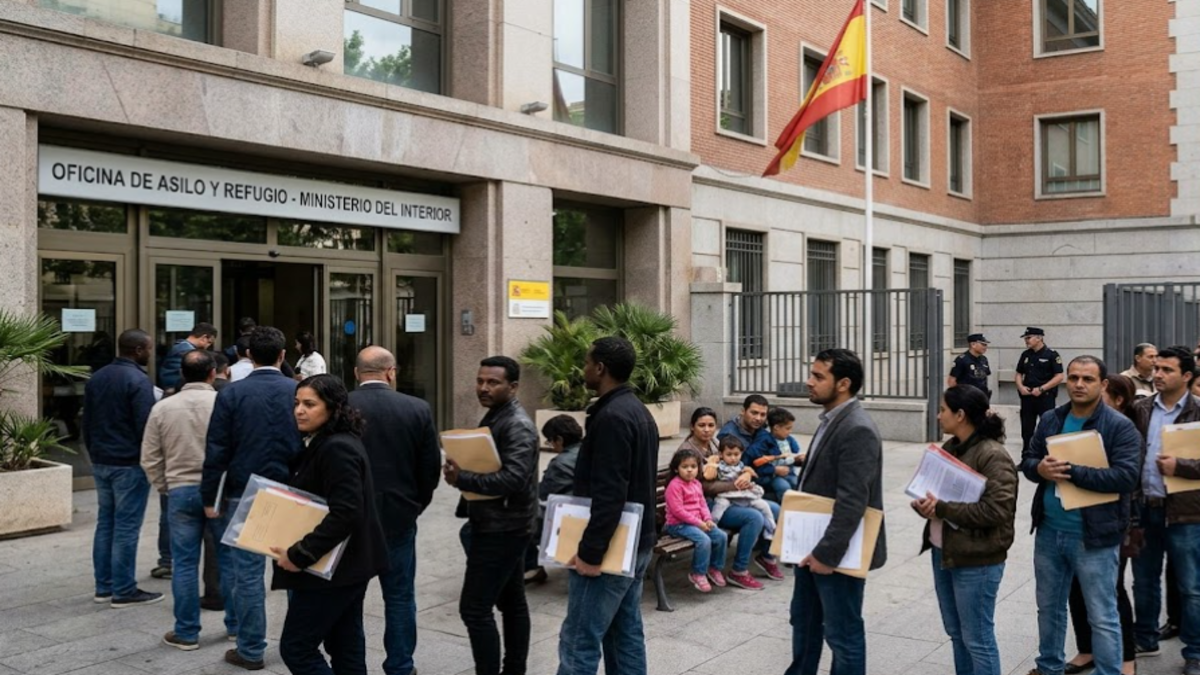
The Spanish Interior Ministry’s Office of Asylum and Refuge is responsible for processing international protection applications. The specialised international protection unit within the Interior Ministry handles the investigation and processing of these cases.
Spain Asylum Requirements and Process: The Initial Examination
The procedure begins with an assessment of whether the application can be processed by Spain.
According to the official procedure, authorities may exclude applications when responsibility for examining the case belongs to another country, when the request repeats a previous application, or when it is submitted by a national of a European Union member state.
For applications made inside Spain, the official guidance states that if the applicant is not notified of a decision of inadmissibility within one month, the application is considered admitted for processing.
If the application is not admitted, the applicant is required to leave Spain unless they have another authorisation allowing them to remain. The applicant can challenge a non-admission decision before a court.
Border applications follow a separate procedure. Applicants who request protection at the border must remain in the designated facilities while authorities decide whether the application will be admitted for processing.
Evidence and the Personal Interview
The interview is a central part of the application process. Applicants have the opportunity to explain the circumstances that led them to seek protection and how they reached Spain.
The official guidance allows applicants to provide any evidence they consider relevant to the assessment of their application. This can include personal statements, photographs and documents connected to their country of origin.
Applicants must also keep the authorities informed about their address in Spain and any changes to it during the protection procedure. Current Interior Ministry administrative guidance states that applicants are required to report changes in their address and notification details.
What Happens After the Application?
Once an application moves beyond the initial examination, the case proceeds through the international protection system for assessment and a decision.
The procedure is handled by the competent authorities within the Interior Ministry’s asylum system. The outcome depends on the individual circumstances and the assessment of the protection claim under the applicable legal framework.
The administrative system has also been updated to reflect the implementation of the European Migration and Asylum Pact. The Interior Ministry’s online procedures now distinguish between international-protection files from before and after the relevant implementation date, with current procedures referring to applications from the new framework’s effective date onward.
For applicants who lack financial resources, Spain’s international protection reception system provides access to basic needs and support aimed at helping beneficiaries and applicants move toward autonomy and integration. The reception network operates through resources and services managed by the relevant government authority in cooperation with non-profit organisations.
What Applicants Should Prepare
Applicants should be ready to explain clearly why they are seeking international protection and provide any available evidence that supports their account.
The official procedure specifically allows the submission of relevant materials such as written statements, photographs and documents from the applicant’s country of origin. Applicants should also attend the required interview and ensure that the authorities have accurate contact and address information throughout the process.
The exact procedure can depend on whether the request is made at the border or after entering Spanish territory. For this reason, applicants should follow the official instructions applicable to their location and circumstances rather than relying on general information from unofficial sources.
FAQ
Can I apply for asylum after entering Spain?
Yes. People already in Spain can initiate an international protection application through the procedure established for their province.
Can I apply for asylum at the Spanish border?
Yes. A person who cannot enter Spanish territory may request international protection at a border post and must remain in the designated facilities while the initial decision is made.
Can I have a lawyer during the asylum interview?
Yes. The official guidance states that applicants may have a lawyer and an interpreter, when necessary, during the formalisation appointment.
What evidence can I submit?
Applicants may provide evidence they consider relevant, including a written account, photographs and documents from their country of origin.
Conclusion
Spain’s asylum process requires applicants to present their protection claim through the appropriate channel, participate in an interview and provide relevant evidence when available. The authorities then examine whether the case can be processed and continue with the applicable international-protection procedure. Because administrative rules and procedures can change, applicants should always check the latest official instructions before taking action.